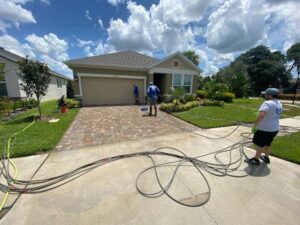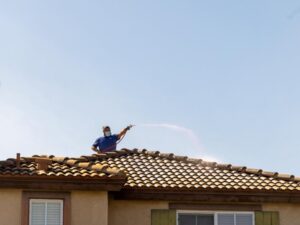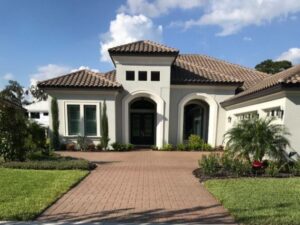
Brook Pressure Washing — Tampa, FL & Surrounding Areas
As a homeowner in Tampa, you want your home to look its best — not just for curb appeal, but to protect your investment and create a space you’re proud of. But when it comes to pressure washing, confusion often outweighs confidence: Do I need it? Is it safe? Will it damage my home? That’s why we’ve crafted this friendly, straightforward FAQ guide — the one every homeowner should read before booking a service or grabbing a pressure washer.
Why Do Homeowners Need Pressure Washing?
Picture this: You drive up to your home after a weekend getaway and see dark streaks on the siding, green algae on your patio, or deep stains on your driveway. It’s not just unsightly — over time, dirt, mold, mildew, and grime can degrade wood, concrete, brick, and other surfaces. Professional pressure washing isn’t just about cleaning; it’s about protecting your property’s structural integrity and value, and preventing long-term damage.
In humid climates like Tampa’s, buildup happens faster than in drier regions — meaning annual cleaning is often recommended for the best results.
FAQ #1: What Exactly Is Pressure Washing?
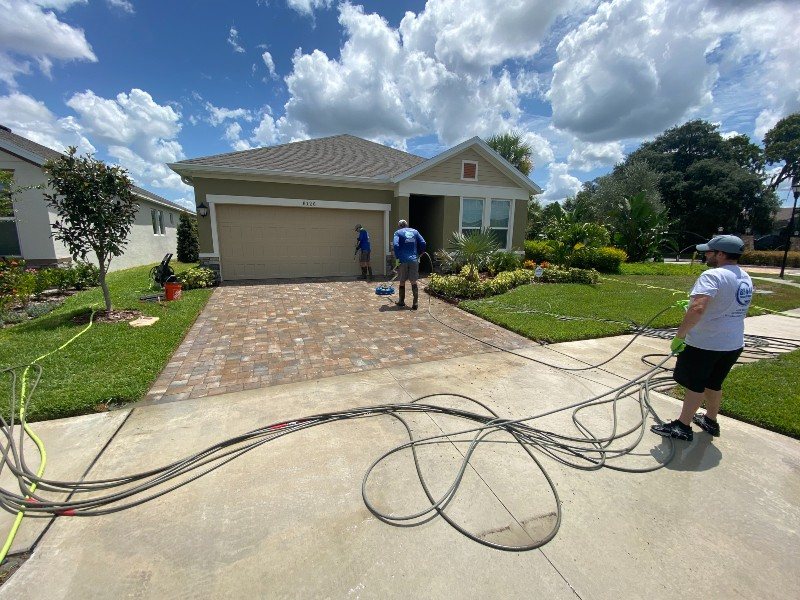
Pressure washing refers to cleaning surfaces with high-pressure water to remove dirt, stains, mold, and mildew. Professionals like Brook Pressure Washing use commercial-grade equipment that can be precisely adjusted for different surface types — from hard concrete to softer siding — so your home gets a deep clean without damage.
Some exterior cleaning companies, such as Xcellent Xteriors, also use soft wash techniques — low-pressure water with specialized detergents — for delicate surfaces like home siding where high pressure could strip paint or force water into crevices.
FAQ #2: How Often Should I Have My Home Pressure Washed?
There’s no one-size-fits-all answer, but frequency depends on climate, materials, and buildup. In humid places like Tampa Bay, most homes benefit from exterior cleaning once a year — in some cases, every 6–12 months — especially where algae or mildew grows quickly.
Popular upkeep times include spring or early fall, when weather conditions are mild and ideal for thorough cleaning.
FAQ #3: What Surfaces Can Be Pressure Washed — and Which Shouldn’t?
Great candidates for pressure washing:
- Driveways and sidewalks
- Patios and decks
- Garage floors and walkways
- Concrete and brick hardscapes
- Vinyl and aluminum siding (with proper pressure)
Caution or alternatives recommended for:
- Roof shingles or tiles
- Gutters and delicate trim
- Painted or stained wood
- Glass windows and light fixtures
- Electrical components
- Vinyl liners for pool surfaces
Pressure washing these areas incorrectly can cause serious damage — even void warranties. For delicate materials, gentler manual cleaning or soft washing is usually best.
FAQ #4: Isn’t Pressure Washing Dangerous?
It can be. A pressure washer’s water stream can be powerful enough to injure someone and can damage surfaces if not used correctly. That’s why professional training, protective gear, and proper settings are essential. Mistakes like using excessive pressure, skipping safety gear, or blasting too close to a surface are common errors and can result in chipped paint, gouged wood, or injury.
Your Brook Pressure Washing technician is trained to evaluate surfaces, choose the right pressure settings, and protect your landscaping and home exterior throughout the process.
FAQ #5: Do I Need to Prepare My Property Before Washing?
Yes — and it’s nothing too complicated. Common preparation steps include:
- Closing and locking all windows and doors
- Moving outdoor furniture and décor out of the way
- Covering delicate plants or outdoor electrical outlets
- Ensuring pets and children aren’t in the work area
FAQ #6: How Much Does Pressure Washing Cost?
Cost varies depending on the size of your home, surface type, and level of buildup. Driveways and patios will cost less than a full house wash. Brook Pressure Washing offers free estimates tailored to your specific needs — so you only pay for the service that actually benefits your home.
FAQ #7: Can I Pressure Wash My Home Myself?
You can rent a machine and attempt it yourself, but beware:
- Without training, you might use too much pressure, damaging surfaces.
- You often don’t have the specialized detergents or soft-wash techniques professionals use for delicate surfaces.
- If you damage your home, repairs can cost far more than a professional cleaning.
Professionals not only clean more thoroughly — they also safeguard your home and landscaping.
FAQ #8: What Else Does Professional Pressure Washing Help With?
Beyond surface cleaning, expert pressure washing:
- Increases curb appeal (especially important if selling)
- Removes allergens like mold and mildew
- Reduces health hazards on patios and walkways
- Can extend the life of outdoor surfaces
This isn’t just about aesthetics — it’s about preserving and protecting your home investment.